
10 Loan No Credit Options and Safer Next Steps
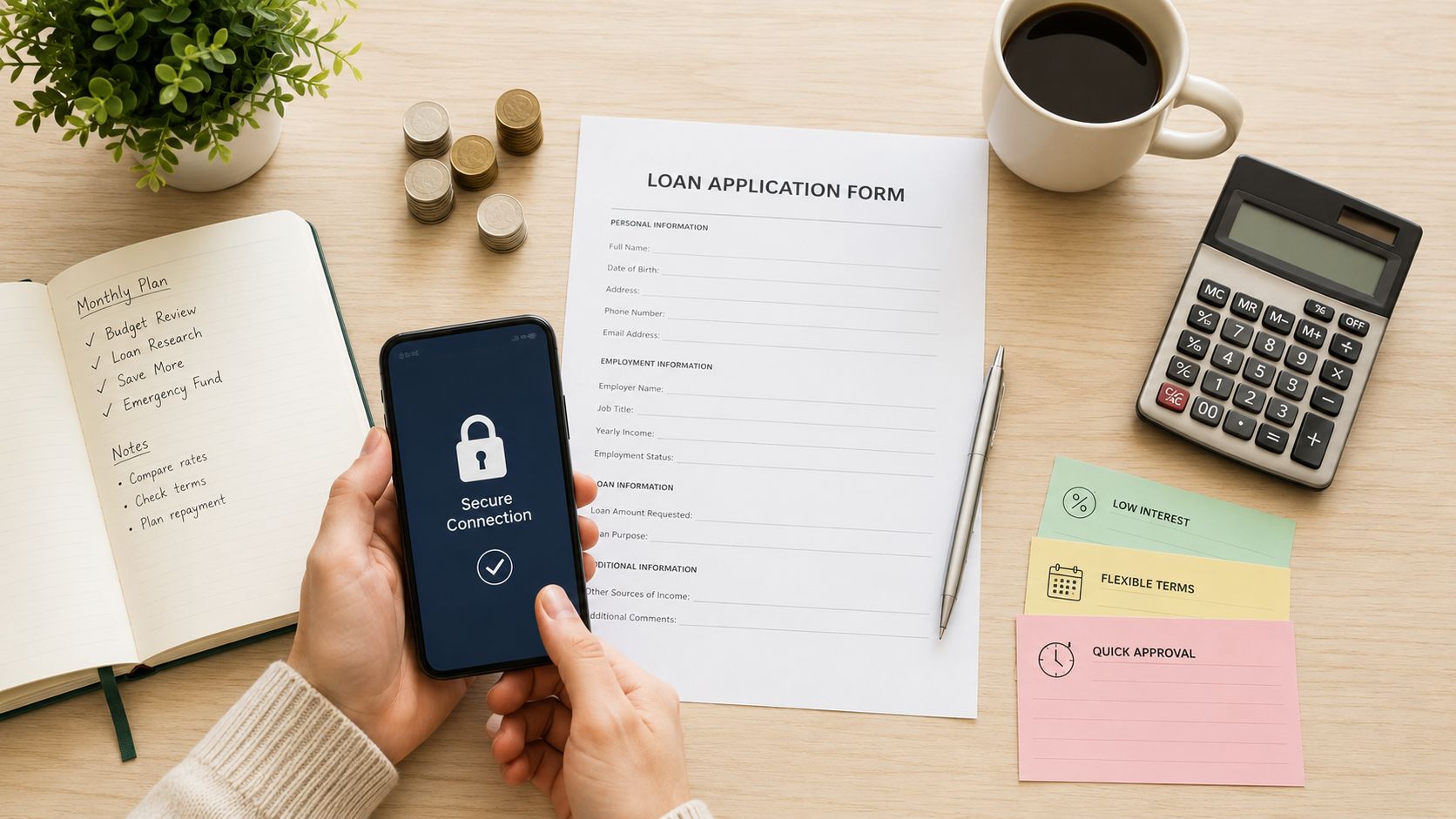
You're staring at a bill you didn't plan for, and the clock is already working against you. A loan no credit search usually starts in that exact moment, after a car repair, medical expense, or rent gap, when you need money fast and don't want a hard sales pitch. The catch is simple, a loan search does not mean guaranteed approval, and it definitely doesn't mean cheap borrowing.
No credit means you don't have a bureau record the lender can score, thin credit means there's a limited file, and bad credit means there's a file but the history looks risky. Lenders can still ask about income, bank-account activity, employment, identity, state eligibility, and whether you can repay on schedule. Marketplace services such as NextStopLoans can route one secure request to participating lenders, but lenders make the actual decisions, set the terms, may check credit, and may offer products with high costs.
That's the right way to compare these options. Look at the underwriting model, the loan structure, funding speed, credit reporting, collateral exposure, state limits, and the total repayment instead of the headline payment alone.
Table of Contents
- 1. Bad Credit Loans by Location
- 2. Upstart
- 3. Oportun
- 4. OneMain Financial
- 5. OppLoans
- 6. NetCredit
- 7. RISE Credit
- 8. Speedy Cash
- 9. CashNetUSA
- 10. Possible Finance
- Top 10 No-Credit Loan Providers
- Choose the Least Risky Repayment Path
1. Bad Credit Loans by Location
Bad Credit Loans by Location on NextStopLoans is the most useful starting point when the primary problem is not just credit, it's geography. The page is organized by state and major city, so you can see which lenders directly serve your area before you spend time on dead-end applications. That matters in no-credit lending, because access is often narrower than borrowers expect, and some offers never reach your state at all.
The platform's single online intake uses 256-bit SSL encryption and sends one request to a multi-lender network in real time. For borrowers, the advantage is workflow, not approval. One form can trigger multiple lender reviews, and the service says responses can arrive within minutes, with direct-deposit funding as soon as the next business day subject to lender processes.
A practical way to read this option is to separate the marketplace from the lender. NextStopLoans does not lend or set rates, so it's a routing layer, not the credit decision itself. That distinction helps you compare offers with less repetition, but it also means the terms can vary sharply from one lender to the next.
Practical rule: treat the marketplace as a filter for availability, not as a promise of approval.
What makes it different in a no-credit search
- Location-first matching: The state and city structure reduces time wasted on lenders that can't serve you.
- One application, multiple reviews: A single submission can be evaluated by several lenders.
- Alternative-underwriting exposure: The page is built for borrowers with limited or poor credit.
- Pre-acceptance disclosures: Rates, fees, lending policy, and FAQ pages help you compare before you commit.
The tradeoff is the same one that defines this market. Participating lenders may still check credit, service availability varies by state, and bad-credit products can carry high costs. If you want speed and broad routing, this is a strong first stop. If you want the lowest-risk debt, you still need to compare the offer against other alternatives before you sign.
2. Upstart
Upstart fits borrowers whose file is thin, but whose broader profile is stronger than a credit score alone suggests. Its underwriting looks beyond conventional bureau history and incorporates data points such as education, employment, and cash flow through bank and credit-union partners. That makes it materially different from lenders that rely almost entirely on a score cut-off.
The value here is the structure of the review, not a guaranteed outcome. A borrower with no credit still has to clear the lender's standards, but a traditional file is not the only lens. Upstart also uses a soft credit check for an initial rate quote, which lets you see potential pricing without a hard inquiry at the quote stage.
Why the model matters
Fixed-rate personal loans can be easier to plan around than revolving or single-pay products, especially when the lender gives multiple term options. That said, the tradeoff is straightforward, rates vary by profile, and a no-credit borrower is not automatically a strong candidate for the lowest pricing. A lender that weighs education or income more heavily can widen access, but it does not erase underwriting risk.
A soft quote is useful because it helps you compare before you commit, but it's still only an estimate.
If you're evaluating Upstart against a marketplace like NextStopLoans, the difference is where the decision happens. Upstart is a lender platform with its own underwriting logic. NextStopLoans is a connector that can route you to multiple lenders, some of which may use alternative data and some of which may not.
For borrowers with no credit, the practical question is whether the lender's data model matches the evidence you can provide. If your income is stable and your work history is solid, a lender like this may make more sense than a narrow score-based application. If your profile is incomplete across the board, the offer you receive may still be expensive or unavailable.
3. Oportun
Oportun is built around a familiar problem in no-credit lending, a borrower needs installment access before the credit file exists. Its personal loans are designed for consumers with little or no credit history, and the product line can include secured options in some markets. That mix matters because it shows how lenders widen eligibility, either by broadening underwriting or by adding collateral.
The credit-building angle is also important. Oportun reports payments to credit bureaus, so on-time repayment can help establish a file over time. That does not make the loan low cost, but it does make the product easier to evaluate if your goal is access plus future credit visibility rather than only short-term cash.
Reading the risk correctly
If a lender is willing to consider thin files, it usually compensates with stricter pricing or tighter state-level rules. Oportun's disclosures include examples in the mid-30% range, which is a reminder that “available” and “affordable” are not the same thing. State-based limits and first-time borrower terms can also vary, so you need to check the local offer instead of assuming one national standard.
The advantage here is that the underwriting is explicitly aimed at borrowers who are often excluded elsewhere. The drawback is that a no-credit approval can still come with a repayment schedule that puts pressure on monthly cash flow. If the lender reports your payments, missed payments matter just as much as on-time payments do.
Credit-building only helps if the schedule fits your income. A reported loan that you can't comfortably repay can damage the same file it's supposed to help.
For a no-credit borrower, Oportun is worth comparing against unsecured and secured alternatives because the product design already signals two things, broader access and meaningful cost. That combination can be reasonable for the right borrower, but it deserves a careful total-cost review before acceptance.
4. OneMain Financial
OneMain Financial is a strong comparison point for borrowers who want branch support rather than a fully digital-only process. It offers both secured and unsecured personal loans, which creates a different risk profile from lenders that only do unsecured installment credit. If you have a vehicle you can pledge, collateral may expand eligibility or change the rate offer.
The underwriting logic is more hands-on than pure no-credit screening. That matters because borrowers with fair to bad credit often need a lender willing to review documentation carefully instead of rejecting the file outright. The branch model can also help if you need someone to walk through paperwork or funding steps in person.
Collateral changes the conversation
A secured loan is not just another approval path. It can lower some lender risk, but it puts an asset at stake if repayment fails. That tradeoff can be useful if you're trying to qualify, yet it should be treated as a real exposure, not a minor footnote.
OneMain's state-specific disclosures also make it easier to inspect the exact terms before you accept. That's a plus for borrowers comparing offers across different products, because the cost and documentation requirements can shift by location. Funding can be fast after signing, but speed should not replace a cost review.
Who this tends to fit
- Borrowers who need in-person help: Branches can reduce friction during the application and closing process.
- Borrowers with a vehicle or other eligible collateral: Secured structures may widen eligibility.
- Borrowers who want a single fixed-payment loan: The installment format is easier to plan than revolving debt.
The downside is that branch support does not equal inexpensive credit. Starting APRs on products in this category are not positioned like prime bank loans, and collateral can add a layer of risk that no-credit borrowers sometimes overlook when they focus only on approval odds. If you're comparing lenders by borrowing risk, OneMain sits in the middle, more structured than payday-style credit, but still worth scrutinizing closely.
5. OppLoans
OppLoans, through the OppFi platform, is designed for borrowers who need a fixed-installment alternative to single-pay payday borrowing. That structure is the main reason it shows up in no-credit comparisons. A predictable payment schedule is easier to manage than a lump-sum due date, especially when income is uneven or the expense is urgent.
The platform uses a soft pull on Experian for prequalification, which lets you check initial terms without immediately triggering a hard inquiry. That's useful for borrowers who are still shopping, but it should not be confused with approval. The lender still evaluates repayment ability and state-specific eligibility before making an offer.
Why installment structure matters
A fixed-payment loan doesn't make borrowing cheap, but it does make the debt easier to forecast. That distinction is important for a borrower without credit history, because payment shock is one of the fastest ways a small loan becomes a larger problem.
OppLoans also works through bank partners in some cases, so the exact origination structure can vary by state and product. That means you should read the disclosures carefully and compare the repayment calendar, not just the monthly amount. If the payment fits your budget but the total cost is steep, you still may want a safer alternative.
Compare the loan to your pay cycle, not to the emergency alone.
For a no-credit applicant, the appeal is straightforward, faster decisions, a familiar installment format, and a softer initial pull. The limitation is just as clear. High-cost subprime lending can solve a timing problem while creating a budget problem if the borrower doesn't have room for the fixed payment.
6. NetCredit
NetCredit sits closer to the near-subprime end of the no-credit market, with both installment loans and open-end lines of credit. That product mix is worth separating because installment debt and revolving credit create very different repayment behavior. A borrower who wants a single fixed obligation may prefer the loan format, while someone who needs repeat access may look at the line, if the state permits it.
The lender reports payments to TransUnion and Experian, so positive performance can support credit history-building over time. It also notes no late fees for installment loans originated on or after March 12, 2025, based on its disclosures. That does not make the product low cost, but it does give borrowers one more line item to inspect before accepting an offer.
The hidden decision is product choice
No-credit borrowers sometimes focus on approval and ignore whether they're taking the right form of credit. That's a mistake here. A line of credit can look flexible, yet it can also encourage repeated borrowing. An installment loan can feel simpler, yet it may carry a high APR depending on the state and profile.
NetCredit's state-specific origination structure also matters. Some products come through partner banks, and not every state offers the same terms or products. That means two applicants with similar profiles can face different repayment structures depending on location.
If you're comparing NetCredit to a marketplace like NextStopLoans, the difference is practical. NetCredit is one lender ecosystem with its own menu of products. NextStopLoans can place your request in front of multiple lenders, which may be useful if you need to compare several underwriting models at once.
For no-credit borrowers, the strongest use case is when you want structured repayment and the possibility of credit reporting, but you're prepared to review the exact state terms. The main risk is letting flexibility hide cost.
7. RISE Credit
RISE Credit is built for borrowers with bad or thin credit who need online installment lending rather than a single-pay product. That alone makes it more manageable than the classic payday model for many people, because the repayment is spread across scheduled installments. The lender also emphasizes cost disclosure before acceptance, which matters when a borrower is trying to compare offers without hidden surprises.
Availability is state-specific, and some loans are originated through partner banks. That means you can't assume a uniform national product. The underwriting and pricing are tied to the borrower's location, and the offer you see may not look like a colleague's offer in another state.
What the borrower should watch
The important comparison point here is not whether the lender can say yes. It's whether the payment schedule works with the borrower's income and whether the disclosed cost is acceptable for the short-term need. High-cost installment lending can still strain a budget if the expense that triggered the loan has not fully stabilized.
RISE Credit also provides educational resources, which is helpful when borrowers are deciding between a structured loan and a more flexible cash advance. Education doesn't lower the APR, but it can reduce the chance of misunderstanding the repayment plan.
Structured repayment helps only when the borrower has real room in the monthly budget.
If you rank options by borrowing risk, RISE sits in the “better than single-pay emergency credit, but still expensive” group. That makes it a comparison point, not a default choice. For a no-credit borrower, the sensible question is whether the scheduled installments are manageable without forcing a second loan later.
8. Speedy Cash
Speedy Cash is a multi-product lender, and that matters because its risk profile changes depending on the product you choose. It offers payday, installment, and title loans depending on state law, so the underwriting, repayment design, and collateral exposure are not the same across the lineup. That makes it one of the clearest examples of why borrowers need to compare the loan type, not just the brand.
The appeal is fast access. Online, in-store, and phone options can help when the expense is immediate and traditional credit is out of reach. The cost of that speed is that the available products can be expensive, and title loans add a collateral layer that unsecured loans do not.
The product mix creates different risks
A payday loan is a single-pay obligation, which can create renewal or rollover pressure if the borrower can't cover the full amount on the due date. An installment loan spreads repayment out. A title loan puts a vehicle at risk if the borrower falls behind. The same lender can therefore represent three very different borrowing experiences.
That is why state law and product selection are central here. A borrower who only sees a fast approval may miss the fact that the legal structure and collateral exposure depend on the exact product and jurisdiction. Speedy Cash is useful as a comparison reference, but it's not a single risk category.
If your goal is emergency funding, this type of lender belongs in the “last-mile” category after you've checked whether a safer installment or marketplace option exists. If your goal is credit building, title and payday structures are usually not the first place to start because the repayment pressure can be too sharp for a new file.
9. CashNetUSA
CashNetUSA focuses on installment loans and lines of credit as alternatives to traditional payday lending. That makes it relevant to no-credit borrowers who want online access but prefer a repayment structure with clearer scheduling than a single-pay loan. In Texas, it operates as a Credit Access Business, which is a reminder that local legal structure shapes the actual offer.
The lender provides state-specific disclosures and customer education tools, which is useful because borrowers can see the product terms before they commit. The online application is fast, but the larger question is whether the product is the right match for a short-term need that won't repeat.
Why state structure matters here
A borrower can't evaluate CashNetUSA without looking at the local legal framework. The same platform may operate through a different arrangement depending on where the applicant lives, and that affects both the disclosures and the economics of the loan.
The practical strength is transparency around product structure. If you need quick access and can manage a scheduled repayment, that is better than stepping into a product you don't fully understand. The practical weakness is cost, because online short-term credit in this category can still be very expensive relative to mainstream bank or credit union options.
If the repayment plan only works if nothing else goes wrong, it's too tight.
For no-credit borrowers, CashNetUSA is best treated as a short-term access tool, not a long-term financing plan. It can help bridge an immediate problem, but the borrower should still compare it against lower-cost options before deciding.
10. Possible Finance
Possible Finance is built around cash-flow underwriting instead of traditional credit-score dependence. It looks at connected bank-account activity to verify income and recurring deposits, which is a major reason it can serve borrowers with little or no credit history. That model is especially relevant for applicants whose paycheck history is stronger than their bureau file.
The app-based format also makes pricing easier to review before acceptance. Soft inquiry checks support prequalification, so the borrower can see terms without immediately moving into a harder credit event. The tradeoff is scale, because the loans are small and intended for emergency gaps rather than larger financing needs.
Where it fits in a no-credit framework
Possible Finance is a good example of a product that uses alternative data to reduce reliance on a traditional score. That can make it more relevant for borrowers who have steady deposits but no established credit trail. It also means the lender is trying to infer ability to repay from account behavior, not from a long credit history.
The limitation is obvious, the amounts are small. That keeps the borrowing risk contained, but it also means the loan may not solve a larger bill. A borrower who needs roomier financing may still need a different product or a marketplace that can compare several lender types at once.
For borrowers comparing no-credit options, this is the type of product that often makes sense only when the emergency is short-lived. If the expense is bigger than the loan ceiling, the right move may be a different lender category, not a larger risk.
Top 10 No-Credit Loan Providers
| Provider | Core features | 👥 Target | ✨ Unique selling points / 🏆 | ★ Speed & UX | 💰 Cost & Availability |
|---|---|---|---|---|---|
| Bad Credit Loans by Location (NextStopLoans) | Marketplace connector: single secure app, multi-lender routing | 👥 Limited/no-credit & urgent borrowers | ✨ Location-organized matching; one app to multiple lenders 🏆 | ★★★★, real-time mobile routing; e-consent | 💰 Variable (lender-set); state-limited/exclusions |
| Upstart | AI-driven unsecured personal loans; soft quote | 👥 Thin/no-credit; prime-seeking borrowers | ✨ Alternative-data underwriting (education, income) 🏆 | ★★★★, fast online decisions, soft pull | 💰 Moderate–Varies; nationwide via partners |
| Oportun | Installment loans (some secured); reports payments | 👥 Little/no-credit; credit-building seekers | ✨ Credit reporting + multilingual/state partnerships | ★★★, online/partner channels | 💰 High APRs (mid-30% example); state-dependent |
| OneMain Financial | Secured & unsecured loans; branch network | 👥 Fair–bad credit; want in-person support | ✨ Local branch access; collateral can lower rate | ★★★★, branch + online; same/next-day funding | 💰 Moderate–High (floor APRs ~11.99%); wide reach |
| OppLoans (OppFi) | Subprime unsecured installment loans; soft prequal | 👥 Bad/thin-credit seeking installment alternative | ✨ Fixed installments vs payday single-pay model | ★★★, quick online decisions | 💰 High APRs; not in all states |
| NetCredit (Enova) | Installment loans & open lines; credit reporting | 👥 Imperfect/limited credit | ✨ Larger limits & longer terms; reports to bureaus | ★★★★, fast online process | 💰 High & variable APRs; state-specific products |
| RISE Credit (Elevate) | Online installment loans; clear disclosures | 👥 Subprime/no-credit in select states | ✨ Strong cost-disclosure & education tools | ★★★, fast online approvals | 💰 Very high APRs in some states; limited availability |
| Speedy Cash | Payday, installment, title (state-dependent) | 👥 Urgent short-term cash needs; in-store users | ✨ Multi-channel (store/online/phone); same-day options | ★★★, rapid in-store/online funding | 💰 Very high; collateral risk for title loans |
| CashNetUSA (Enova) | Installment loans & revolving credit | 👥 Short-term needs, thin credit | ✨ Quick online access + educational resources | ★★★, fast apps; state disclosures (CAB) | 💰 High APRs; state-limited / third-party origination |
| Possible Finance | Small-dollar installment loans; bank cash-flow underwriting | 👥 Thin/no-credit mobile users needing small amounts | ✨ Bank-connected cash-flow underwriting; transparent pricing 🏆 | ★★★★, app-first, clear repayment samples | 💰 Low–Moderate (small amounts); state-varying availability |
Choose the Least Risky Repayment Path
The safest way to approach a loan no credit offer is to slow down at the exact moment the lender wants you to move fast. First, confirm the lender's identity and your state eligibility, because some products and services are not available everywhere. Then compare APR and total repayment, not just the monthly payment, since a low payment can hide a costly schedule.
Next, verify whether the product is secured or unsecured. A secured loan can widen access, but it also puts collateral at risk if you miss payments. Check whether the lender reports on-time payments to the credit bureaus, because that determines whether the loan can help build a file or just create debt.
Fit matters just as much as cost. Make sure the due dates line up with your income cycle, especially if your pay is irregular or your budget is already tight. A repayment plan only works if it leaves room for the rest of your month.
Before you accept high-cost credit, compare it against lower-cost or non-loan alternatives. Ask existing creditors about hardship options. Check whether your employer, local community programs, or a trusted financial counselor can help bridge the gap without new debt. A loan can solve an urgent problem, but it can also create a longer one if the repayment is too tight.
If you use NextStopLoans, remember what it is and what it is not. It's a marketplace connector, not a lender, and it routes your request to participating third-party lenders who make the approval and pricing decisions. You can review offers and decline any that don't fit your budget or risk tolerance.
The strongest credit-building move is simple. Pay every obligation on time, avoid taking a loan you can't realistically repay, and monitor how the product affects your credit history. Good repayment can help, but only if the loan was affordable from the start.
If you're comparing no-credit borrowing options and want a faster way to see participating lenders in one place, visit NextStopLoans. It can route a single secure request to lenders that work with borrowers who have limited or no credit, while still leaving you free to review the terms and decline any offer that doesn't fit.